
Caring for an aging parent or relative is both deeply meaningful and, at times, overwhelming. As needs evolve, families are often required to make complex decisions that affect health, safety, and quality of life. Many caregivers find themselves balancing emotional responsibilities with logistical challenges that can feel unfamiliar. A thoughtful, informed approach can ease this transition and ensure your loved one receives the care they deserve. This guide breaks down the key considerations, from recognizing early signs of decline to planning for long-term support.
Recognizing When Your Aging Parent Needs More Support

The first step in providing effective care is recognizing when additional help is necessary. Early warning signs often appear gradually and may include missed medications, difficulty managing household tasks, or changes in personal hygiene. You might also notice unopened mail, expired food, or an increase in minor accidents around the home. Subtle cognitive shifts—like forgetfulness or confusion—can also signal that a loved one is struggling to maintain independence. Paying attention to these indicators early allows families to act before a crisis develops.
Initiating a conversation about these changes can be difficult, especially if your loved one values their independence. It’s important to approach the topic with empathy rather than urgency. Frame the discussion around safety and well-being instead of limitations, which helps maintain trust and openness. Using specific examples rather than general concerns can make the conversation more productive. Over time, these discussions can evolve into collaborative planning rather than confrontation.
Family involvement is critical at this stage to ensure balanced decision-making. Including siblings or close relatives helps distribute responsibility and prevents misunderstandings later on. It also allows for a more comprehensive view of your loved one’s needs and preferences. Bringing in a neutral third party, such as a senior living advisor, can help facilitate discussions and provide objective recommendations. Their expertise often helps families move from uncertainty to actionable next steps.
Building a Care Team You Can Trust
Once you’ve identified the need for additional support, assembling a reliable care team becomes a priority. Elder care is rarely handled by a single professional and instead involves multiple specialists. These professionals may include physicians, therapists, and in-home caregivers who each address different needs. A coordinated approach ensures that care is both comprehensive and consistent. Taking the time to build this network early can prevent gaps in treatment later.
Start by understanding the roles within this network so you can identify the right professionals. Primary care physicians typically oversee general health, while specialists focus on targeted conditions. Social workers and care coordinators can also help navigate services and resources. Each role contributes to a broader care strategy that evolves. Knowing who to contact for specific concerns can streamline decision-making.
When evaluating providers, ask detailed questions about experience, certifications, and communication practices. Look for professionals who emphasize patient-centered care and transparency. It’s also helpful to request references or read verified reviews when available. Observing how providers interact with your loved one can reveal a lot about their approach. Trust and clear communication should be non-negotiable factors.
Coordination between providers is equally important for effective care delivery. Without clear communication, treatment plans can become fragmented or even conflicting. Families should consider designating one point person to manage updates and appointments. This individual ensures that all providers stay informed and aligned. For those exploring residential care, understanding how an assisted living business organizes its internal care teams can offer useful insight into structured coordination.
Navigating the World of Senior Housing Options
Choosing the right living arrangement is one of the most significant decisions families face. Options range from in-home care to independent living and more comprehensive residential settings. Each option offers a different level of support, depending on your loved one’s needs. Evaluating these choices carefully can help prevent unnecessary transitions later. The goal is to find a balance between independence and safety.
In-home care allows seniors to remain in familiar surroundings while receiving assistance with daily tasks. This option works well for individuals with mild to moderate needs. However, it may become less practical as medical or mobility challenges increase. Costs can also rise quickly if round-the-clock care becomes necessary. Families should weigh both financial and practical considerations before committing.
Independent living communities offer a supportive environment without intensive medical care. These communities typically provide meals, housekeeping, and social opportunities. They are ideal for seniors who are largely self-sufficient but want a more convenient lifestyle. Social engagement in these settings can significantly improve emotional well-being. However, they may not be suitable for those with advanced health conditions.
For higher levels of care, retirement communities often provide a continuum of services in one location. Touring these facilities allows families to assess staff quality, cleanliness, and overall atmosphere. Asking detailed questions about staffing ratios and emergency procedures is essential. Understanding contract terms and included services can prevent unexpected costs. Taking a structured approach to evaluation helps families make confident decisions.
Managing Chronic Conditions and Ongoing Medical Needs
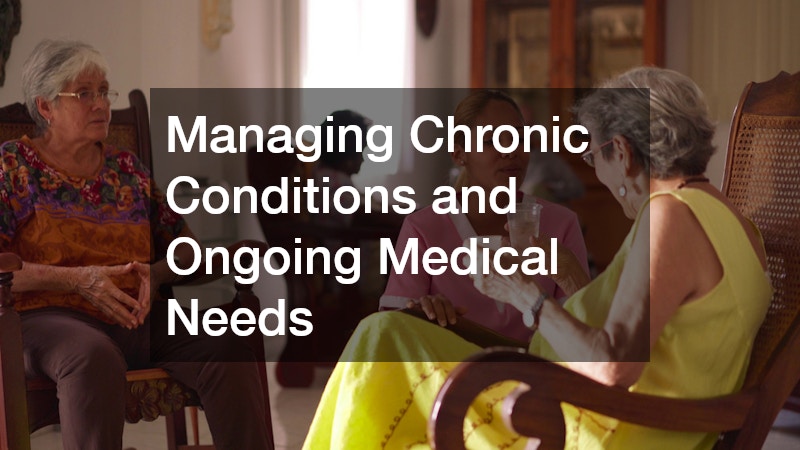
Chronic conditions are common in older adults and often require ongoing attention. Managing these conditions effectively starts with organization and consistency. Keeping detailed records of diagnoses, medications, and treatment plans reduces the risk of errors. This information is especially important during emergencies or when seeing new providers. A centralized system ensures that nothing is overlooked.
Establishing a routine for medical appointments helps maintain stability. Regular check-ins with primary care providers and specialists allow for early detection of changes. Depending on your loved one’s needs, this may include visits to a digestive health specialist. Preventive care can significantly reduce hospitalizations and complications. Staying proactive is key to long-term health management.
Recognizing when a condition has progressed is equally important. Increased fatigue, frequent hospital visits, or noticeable declines in mobility may indicate a need for additional care. Families should remain observant and communicate changes promptly to healthcare providers. Adjusting care plans early can improve outcomes and comfort. This responsiveness helps avoid crisis-driven decisions.
Supporting Brain Health and Cognitive Wellness
Cognitive health plays a central role in maintaining independence and quality of life. While mild forgetfulness can be a normal part of aging, more significant changes should not be ignored. Families should monitor patterns rather than isolated incidents. Consistent confusion or behavioral shifts may indicate underlying concerns. Early evaluation can lead to better management strategies.
Encouraging mental stimulation is one of the most effective ways to support brain health. Activities like reading, games, and social interaction help keep the mind engaged. Physical activity and balanced nutrition also contribute to cognitive function. These habits work together to support overall brain health. Consistency is more important than intensity in these efforts.
Understanding the spectrum of cognitive decline helps families respond appropriately. Some individuals may require minimal support, while others need structured environments. In more advanced cases, specialized memory care programs provide tailored support. These environments are designed to ensure safety while promoting engagement. They can significantly improve quality of life for individuals with cognitive challenges.
Creating a safe home environment is essential for those experiencing memory issues. Simple changes, such as removing hazards and labeling important items, can reduce confusion. Installing safety features like grab bars and locks adds an extra layer of protection. These adjustments allow individuals to maintain a level of independence. Proactive modifications can prevent accidents and reduce stress for caregivers.
Keeping up With Sensory and Physical Health Checkups
Routine screenings become increasingly important as the body changes with age. Vision and hearing issues can develop gradually, making them easy to overlook. However, untreated sensory problems can lead to isolation and safety risks. Regular evaluations help detect issues early and maintain independence. Preventive care plays a significant role in long-term wellness.
Scheduling regular visits with an eye doctor is essential for maintaining vision health. Conditions like cataracts or glaucoma can often be managed effectively when caught early. Vision changes can also impact balance and mobility. Addressing these issues promptly helps prevent falls and accidents. Consistent monitoring ensures that corrective measures remain effective.
Hearing health should receive the same level of attention as vision. Untreated hearing loss can affect communication and even cognitive function. Evaluations at hearing aid centers provide access to appropriate devices and support. Modern hearing solutions are more discreet and effective than ever before. Addressing hearing issues can significantly improve daily interactions.
Foot health is another critical but often overlooked area. Regular visits to podiatrists can help prevent issues that affect mobility. Proper foot care reduces the risk of falls and enhances overall comfort. Small problems, if ignored, can lead to more serious complications. Maintaining mobility is key to preserving independence.
Prioritizing Heart Health and Physical Rehabilitation

Cardiovascular health requires close attention as individuals age. Monitoring key indicators like blood pressure and cholesterol helps identify risks early. Lifestyle factors such as diet and physical activity also play a major role. Families should encourage habits that support heart health consistently. Preventive measures can significantly reduce complications.
For those recovering from cardiac events, structured programs can provide essential support. Cardiopulmonary rehabilitation combines supervised exercise with education and counseling. These programs are designed to rebuild strength and improve overall function. Participation can lead to better long-term outcomes and reduced hospital readmissions. Professional guidance ensures that progress is both safe and effective.
At-home habits can reinforce the benefits of formal rehabilitation programs. Simple activities like walking or stretching can make a meaningful difference. Consistency is more important than intensity when building endurance. Families should work with healthcare providers to develop appropriate routines. This collaborative approach helps maintain progress over time.
Planning for End-Of-Life Comfort and Dignity
End-of-life planning is a sensitive but necessary part of caregiving. Addressing these issues early allows families to make thoughtful decisions. It also ensures that a loved one’s preferences are clearly understood. Avoiding these conversations can lead to confusion during critical moments. Open dialogue provides clarity and peace of mind.
Comfort-focused approaches prioritize quality of life over aggressive treatments. Palliative care is designed to manage pain and provide emotional support. This approach considers the whole person, not just the medical condition. It can be introduced at various stages of illness, not just the final phase. Families often find that it improves both comfort and communication.
Discussing end-of-life wishes requires patience and sensitivity. Topics may include medical interventions, living arrangements, and personal values. Documenting these preferences ensures they are respected. It also reduces the burden on family members during difficult times. Clear planning allows everyone to focus on meaningful moments rather than uncertainty.
Taking Care of the Caregiver
Caregiving can be rewarding, but it also comes with significant challenges. Many caregivers experience physical and emotional strain over time. Recognizing early signs of burnout is essential for maintaining balance. Symptoms may include fatigue, irritability, or feelings of overwhelm. Addressing these issues early prevents more serious consequences.
Building a support network can make caregiving more manageable. Family members, friends, and professional services can share responsibilities. Even small breaks can help caregivers recharge. Respite care options provide temporary relief when needed. Asking for help is a practical step, not a sign of weakness.
Maintaining personal well-being should remain a priority. Regular exercise, healthy eating, and downtime are essential. Caregivers who take care of themselves are better equipped to support others. Emotional support through counseling or groups can also be beneficial. A sustainable approach benefits both the caregiver and their loved one.
Planning Ahead Financially and Legally

Financial and legal planning is a critical component of long-term care. Establishing these elements early helps avoid complications later. Important documents include wills, powers of attorney, and healthcare directives. These tools ensure that decisions align with your loved one’s wishes. Proper planning also reduces stress during emergencies.
Understanding how to fund care is equally important. Costs can vary depending on the level and type of support required. Options may include personal savings, insurance, and government programs. Evaluating these resources early allows for better decision-making. A clear financial plan provides stability and confidence.
Working with professionals can simplify complex decisions. Financial planners and legal experts offer guidance tailored to your situation. They can help families create sustainable long-term strategies. This approach ensures that resources are used effectively. Planning ahead allows families to focus more on care and less on uncertainty.