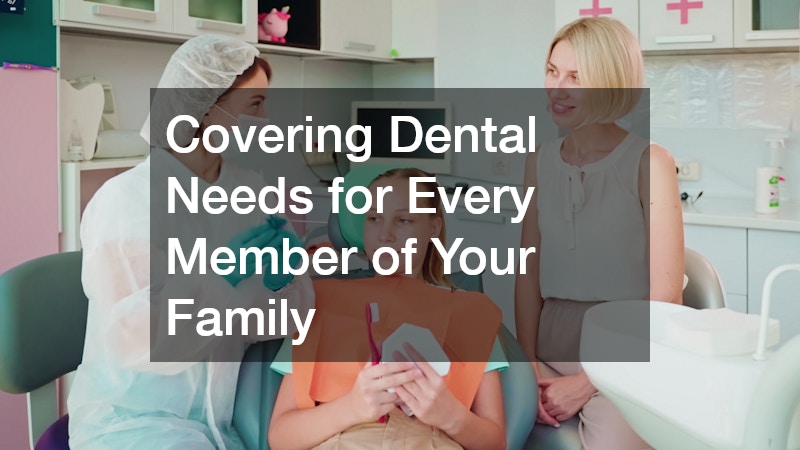
Managing the health and wellness of a busy household can often feel like a complex juggling act. Between school schedules, work commitments, soccer practices, and grocery runs, finding the time to coordinate medical appointments is a challenge in itself. However, maintaining the oral health of your household is one of the most impactful investments you can make in their overall well-being. Modern healthcare research consistently demonstrates that the mouth is the gateway to the body. Issues that begin as minor neglect in oral hygiene can rapidly evolve into systemic health complications, affecting everything from childhood development to cardiovascular health in seniors.
Taking a unified, proactive approach to oral care simplifies your life while safeguarding your family’s future. Each stage of life introduces unique biological milestones, structural shifts, and distinct behavioral challenges. A toddler experiencing their first tooth has vastly different psychological and physiological needs than a teenager navigating orthodontic shifts, or a grandparent managing the oral side effects of long-term prescription medications.
Early Childhood Oral Health
The foundation for a lifetime of healthy smiles is poured long before the first permanent tooth ever makes an appearance. Many parents mistakenly believe that because primary teeth eventually fall out, they require less rigorous care. In reality, primary teeth serve several critical biological functions. They act as natural space maintainers for future permanent teeth, facilitate proper speech development, and allow toddlers to chew a diverse, nutrient-dense diet essential for early childhood growth. Protecting these early structures requires an early start and an abundance of patience.
Key Milestones to Watch Before Kindergarten
Pediatric health organizations universally recommend the “First Tooth, First Birthday” rule. This means a child should have their initial professional evaluation either within six months of the eruption of their first tooth or by their first birthday—whichever comes first.
- Monitoring Jaw and Arch Development: Early evaluations allow professionals to ensure the upper and lower jaws are growing in proportion to one another and to check for structural anomalies like a severe tongue-tie, which can interfere with breastfeeding and eventual speech patterns.
- The Eruption Timeline: While every child develops at their own pace, primary teeth typically begin erupting around six months of age, usually starting with the lower central incisors. By age three, a full set of 20 primary teeth should be present. Tracking this timeline helps identify congenital absences or delayed eruption patterns early.
Actionable Tips for Stress-Free Toddler Appointments
The primary goal of early visits is psychological conditioning. If a child’s first experience at a clinic is associated with pain or fear, it can instill a lifelong phobia. Conversely, positive early visits build trust and curiosity.
- Use Positive, Neutral Language: Avoid using trigger words that carry negative connotations. Phrases like “It won’t hurt,” “They won’t give you a shot,” or “Don’t be scared” actually introduce the concepts of pain and fear into the child’s mind. Instead, use encouraging, curious descriptions: “The doctor is going to count your teeth, wash them with a special spinning toothbrush, and take pictures of your smile.”
- Select a Tailored Environment: Seeking out a dedicated pediatric dentist ensures that the physical environment is designed specifically to soothe young minds, featuring smaller equipment, colorful decor, and staff trained extensively in child behavioral psychology. Utilizing these specialized dental services early in life helps frame oral healthcare as an enjoyable, rewarding routine rather than a clinical chore.
Navigating the Dynamic Changes of School-Age Kids and Teens

As children enter grade school and transition into their teenage years, their oral landscape undergoes a massive transformation. The mixed dentition stage—where primary teeth are actively shedding and permanent teeth are erupting—requires vigilant monitoring. Concurrently, behavioral changes take hold. Dietary autonomy increases, sports become more competitive, and self-consciousness regarding physical appearance begins to emerge.
Defending Active Kids Against Physical Trauma
With increased physical activity comes an increased risk of dental trauma. Fractured, dislodged, or knocked-out teeth are among the most common sports-related injuries treated in youth athletics.
- Mandate Custom Sports Mouthguards: While over-the-counter “boil-and-bite” guards offer a basic layer of cushion, they are often ill-fitting, bulky, and impede clear communication on the field. A custom-fabricated guard made by a professional provides precise adaptation to the teeth, optimal force distribution during an impact, and superior comfort, making teenagers far more likely to wear it consistently.
- Apply Dental Sealants: The permanent molars that erupt around ages six and twelve possess deep pits and fissures that are incredibly difficult for standard toothbrush bristles to clean. Applying a thin, biocompatible composite coating—known as a sealant—seals off these vulnerable grooves, blocking food particles and plaque bacteria from colonizing the area and reducing cavity risks significantly.
Managing Structural Shifts and Self-Esteem
The American Association of Orthodontists recommends that every child receive a structural evaluation by age seven. At this stage, the first permanent molars have erupted, establishing the back bite and allowing a practitioner to evaluate side-to-side and front-to-back jaw relationships.
- Modern Realignment Choices: For teenagers requiring correction, the aesthetic burden of traditional metal braces can sometimes cause social anxiety. Modern orthodontic services have evolved to include highly discreet options, such as clear ceramic brackets and removable clear aligners, which blend seamlessly into a teen’s lifestyle while correcting complex malocclusions.
- The Importance of Routine Surveillance: Maintaining a biannual dental exam throughout adolescence is non-negotiable. These checkups allow for the early detection of proximal cavities caused by increased soda or fast-food consumption, tracking of the third molars (wisdom teeth), and reinforcement of proper flossing techniques as independence grows.
Maintaining and Enhancing Adult Smiles
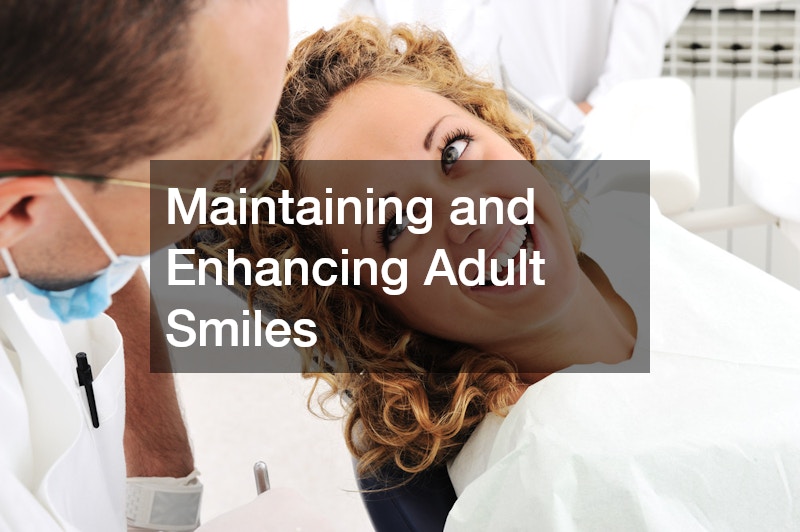
For the adult members of the household, oral care shifts away from developmental tracking and toward long-term preservation, functional maintenance, and cosmetic optimization. Adult teeth are subjected to decades of chewing forces, environmental staining, acid exposure, and the physiological manifestations of modern stress. Furthermore, systemic shifts such as pregnancy, hormonal fluctuations, and metabolic changes directly impact the health of adult gum tissues.
Reversing the Effects of Stress and Aging on Teeth
The modern adult lifestyle is frequently accompanied by chronic stress, which manifests physically in the oral cavity during sleep through bruxism—the involuntary grinding and clenching of teeth.
- Mitigating Nocturnal Bruxism: Chronic grinding can exert hundreds of pounds of pressure per square inch on the dentition, leading to micro-fractures in the enamel, flattened chewing surfaces, receding gums, and temporomandibular joint disorder. A custom nightguard distributes this pressure evenly, absorbing the force and protecting the joints and teeth from premature wear.
- Combating Periodontal Disease: Gingivitis and periodontitis are primary causes of adult tooth loss. Chronic inflammation in the gums has been biochemically linked to systemic issues such as cardiovascular disease, diabetes management complications, and low birth weights in pregnant women. Professional deep cleanings (scaling and root planing) are essential to clear hardened tartar beneath the gumline that routine brushing cannot reach.
Balancing Structural Health with Esthetic Goals
As adults age, structural defects like minor crowding, old discolored fillings, or chipped edges can impact their professional confidence and willingness to smile openly. Fortunately, modern restorative care blurs the line between clinical durability and artistic beauty.
- Seeking Specialized Expertise: While general care keeps the foundations healthy, addressing advanced smile makeovers, severe discoloration, or complex structural changes often involves partnering with cosmetic dentists who possess specific artistic training in facial proportions and material properties.
- Utilizing Premium Veneer Solutions: For adults seeking a comprehensive aesthetic transformation, custom-crafted porcelain veneers offer a transformative solution. These ultra-thin, durable shells of medical-grade ceramic are bonded directly to the front surfaces of the teeth, instantly correcting deep intrinsic stains, closing unwanted gaps, smoothing out chips, and creating a perfectly proportioned, naturally radiant smile.
Preserving Longevity and Function in the Golden Years

Geriatric oral health is a rapidly growing field of importance as life expectancy increases. Maintaining a healthy, functional mouth into old age is directly correlated with nutritional status, cognitive health, and overall quality of life. Seniors face a unique set of physiological challenges, including the long-term cumulative wear of dental work, root surface cavities, and oral changes brought on by systemic health conditions.
Overcoming the Unique Challenges of Aging
Aging alters the oral environment, making tissues more fragile and increasing susceptibility to infections if maintenance routines are neglected or become physically difficult due to conditions like arthritis.
- Managing Medication-Induced Xerostomia: Dry mouth is a side effect of over 400 common prescription medications, including those for high blood pressure, depression, and urinary incontinence. Saliva is the mouth’s natural defense mechanism, neutralizing acids and washing away debris. A lack of saliva leads to a rapid surge in aggressive root cavities and painful oral ulcers. Seniors can combat this with specialized alcohol-free rinses, frequent water intake, and xylitol lozenges.
- Preventing Root Caries: As gums naturally recede with age or past periodontal issues, the softer, more porous root surfaces of the teeth become exposed. These surfaces decay far more rapidly than enamel. Incorporating high-fluoride prescription toothpastes and regular clinical varnish applications helps remineralize these vulnerable areas.
Restoring Biomimetic Chewing Power and Confidence
Missing teeth should never be accepted as an inevitable consequence of aging. When teeth are lost and left unreplaced, the surrounding jawbone resorbs due to a lack of mechanical stimulation, altering facial structure, causing the cheeks to collapse inward, and limiting dietary choices to soft, carbohydrate-heavy foods.
- The Evolution of Removable Prosthetics: For individuals who have lost multiple teeth or an entire arch, traditional prosthetics remain an essential asset. Modern denture services utilize highly accurate digital impressions and advanced acrylic resins to create appliances that look natural, match facial profiles, and restore adequate chewing capability.
- The Permanent, Stable Alternative: For seniors seeking maximum stability without the slipping, clicking, or dietary restrictions associated with traditional removable plates, dental implants represent the gold standard of modern tooth replacement. By surgically placing a biocompatible titanium post directly into the jawbone, a permanent root foundation is established, preserving bone density and supporting a crown that looks and functions exactly like a natural tooth.
The Logistics of a Family-Centric Practice

Understanding the specific clinical needs of your household is only half the battle; the other half is managing the logistical reality of executing that care. Driving across town to three different specialized clinics for various family members is an unsustainable drain on time and energy. Streamlining this process requires finding a centralized healthcare home that can harmoniously manage multiple generations under one roof.
Vetting a Practice for Multi-Generational Compatibility
Choosing a dental home requires looking beyond just the proximity of the office. A truly family-oriented practice structures its operations to accommodate the fluid and often unpredictable dynamics of modern family life.
- The Magic of Block Scheduling: Look for a clinic that offers family block scheduling, which allows multiple family members to receive their routine cleanings and exams simultaneously or in consecutive time slots. This reduces a multi-day chore into a single, efficient office visit.
- Building Multigenerational Relationships: Establishing a long-term bond with trusted family dentists fosters a sense of familiarity and emotional safety. Children grow up seeing their parents comfortably sit in the chair, which normalizes the experience and effectively eliminates generational dental anxiety.
Preparedness for the Unexpected
Even with flawless preventative care, oral crises happen. A child falling on the playground, a teen fracturing a tooth at a weekend tournament, or a parent waking up with a throbbing, abscessed tooth requires immediate, decisive action.
- Evaluating Urgent Care Systems: When choosing your permanent provider, always inquire about their specific protocol for handling emergency dental care. A reliable practice will maintain dedicated emergency time slots in their daily schedule, provide an after-hours contact number, and offer clear triage guidance over the phone to stabilize a situation until you can reach the clinic.
- The Comfort of Crisis Continuity: Navigating an unexpected, painful oral injury is stressful enough on its own. Being able to turn to a staff that already knows your family’s medical history, behavioral nuances, and insurance preferences provides invaluable peace of mind during a high-stress medical situation.
By prioritizing preventative hygiene habits at home, utilizing specialized care when unique milestones arise, and anchoring your family’s routine within a centralized, empathetic professional home, you eliminate the stress of healthcare coordination. Investing in your family’s oral well-being does more than just prevent cavities and preserve structural function—it fosters a foundational habit of health ownership that your children will carry with them into adulthood and eventually pass down to their own families. With the right strategies, consistent routines, and trusted professional partnerships in place, you can confidently protect the longevity, comfort, and radiant beauty of every smile in your household for decades to come.