
Raising happy, healthy, and active children involves much more than meeting their basic needs. Parents also play an important role in shaping their children’s emotional well-being, physical development, education, and social skills. From choosing the right learning environment to encouraging healthy habits and spending quality time together, everyday decisions can have a lasting impact on a child’s future.
With so many responsibilities to manage, finding the right balance can sometimes feel overwhelming. Fortunately, supporting your child’s growth doesn’t require a perfect schedule or expensive activities. Small, consistent efforts can make a meaningful difference in building confidence, independence, and strong family relationships.
Whether you’re navigating the early childhood years, exploring educational opportunities, or looking for ways to keep your family active, having practical strategies can make parenting easier. This guide explores ten important areas of childhood development and offers helpful tips for creating a supportive environment where children can learn, grow, and thrive.
Create a Safe and Supportive Environment for Early Childhood Development
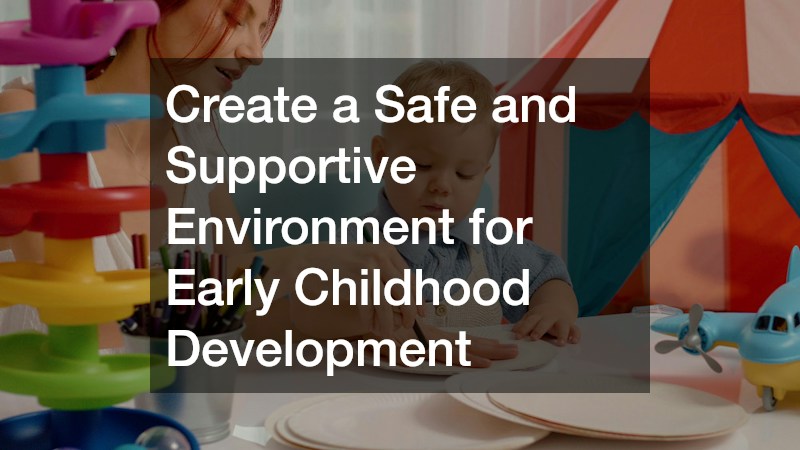
A child’s earliest experiences help shape their emotional security, communication skills, and ability to build relationships. Providing a consistent, nurturing environment allows young children to explore their surroundings while knowing they have dependable adults supporting them.
When researching local childcare services, parents should look beyond convenience and affordability. The quality of interactions between caregivers and children can significantly influence early development. A welcoming environment should encourage curiosity, creativity, and age-appropriate independence.
Consider these factors when evaluating childcare options:
- Caregiver qualifications: Ask about staff training, experience, and knowledge of childhood development.
- Safety procedures: Review supervision policies, emergency plans, and facility security measures.
- Daily activities: Look for opportunities involving creative play, storytelling, music, and physical movement.
- Parent communication: Choose providers who regularly share updates about activities, behavior, and developmental progress.
Parents can reinforce these positive experiences at home by maintaining predictable routines and encouraging children to express their feelings. Simple activities such as reading together, playing games, and discussing daily experiences help strengthen emotional connections.
Most importantly, children benefit from environments where they feel heard, respected, and encouraged to try new things.
Encourage Independence and Social Skills Through Early Learning Experiences
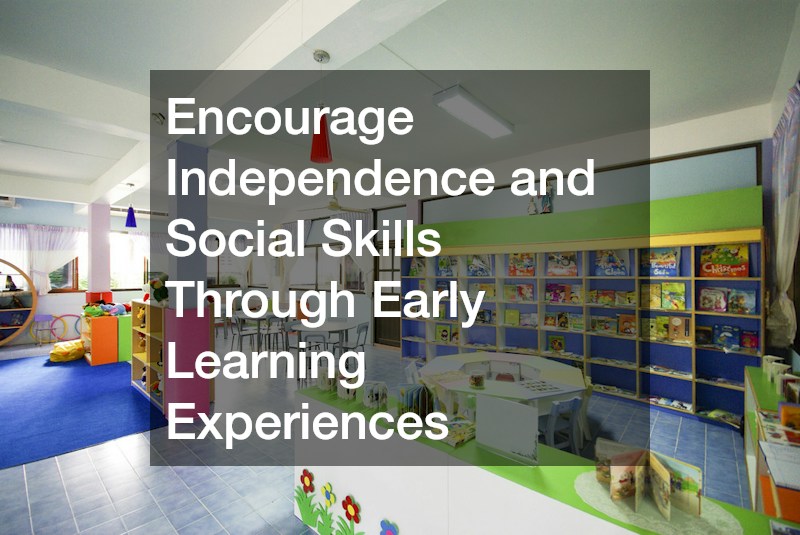
Early childhood programs provide valuable opportunities for children to develop independence, practice communication, and learn how to interact with others. Through structured activities and supervised play, children begin understanding cooperation, sharing, and problem-solving.
When comparing local daycare centers, parents should consider how each program balances educational activities with opportunities for free play. Young children learn through exploration, so an effective environment should offer hands-on experiences rather than focusing exclusively on structured lessons.
Parents can support a successful transition by following these strategies:
- Practice separation: Arrange short visits with trusted caregivers before beginning a full-day program.
- Establish routines: Create predictable morning and evening schedules to help children feel secure.
- Encourage independence: Let children practice putting away belongings, washing hands, and completing simple tasks.
- Discuss expectations: Explain daily activities using positive, age-appropriate language.
It’s also helpful to ask about classroom sizes, discipline approaches, meals, and rest periods before enrolling.
Remember that adjusting to a new environment takes time. Some children settle in quickly, while others need additional reassurance. Consistent encouragement and open communication with caregivers can make the transition smoother for everyone.
Establish Healthy Dental Habits That Last Into Adulthood
Good oral hygiene begins long before children develop their permanent teeth. Establishing healthy dental routines during childhood can reduce the risk of cavities, gum problems, and other preventable oral health concerns.
Regular appointments with local pediatric dentists allow parents to monitor dental development and address potential problems early. These visits also help children become familiar with dental examinations, making future appointments less intimidating.
Parents can encourage better dental health through several everyday habits:
- Brush consistently: Help children brush twice daily using an age-appropriate amount of fluoride toothpaste.
- Introduce flossing: Begin cleaning between teeth once neighboring teeth touch.
- Limit sugary snacks: Reduce frequent exposure to candy, sweetened drinks, and sticky foods.
- Encourage water: Offer water throughout the day, particularly between meals.
- Make brushing enjoyable: Use songs, timers, or colorful toothbrushes to build positive routines.
Children often imitate their parents, making it helpful to demonstrate proper brushing techniques and practice together.
Parents should also schedule their child’s first dental visit by their first birthday or within six months of the first tooth appearing.
By making oral hygiene a normal part of everyday life, families can help children develop habits that protect their smiles for years.
Identify Vision Problems Before They Affect Learning and Confidence

Healthy vision plays an important role in childhood development. Children rely on their eyesight for reading, recognizing facial expressions, participating in sports, and exploring their surroundings.
Unfortunately, younger children may not recognize when their vision is impaired because they have no comparison for what clear eyesight should look like. Parents should therefore pay attention to changes in behavior that could indicate visual difficulties.
Common warning signs include:
- Frequent squinting or rubbing of the eyes.
- Holding books, tablets, or other objects unusually close.
- Complaining about headaches or tired eyes.
- Difficulty reading classroom materials.
- Tilting the head or closing one eye to focus.
If concerns arise, scheduling a comprehensive eye examination can help identify potential problems.
For children who need corrective lenses, visiting a kids eyeglasses store can make finding comfortable, properly fitted frames easier. Parents should prioritize durable materials, impact-resistant lenses, and frames that remain secure during everyday activities.
Allowing children to choose their favorite colors or styles can also make wearing glasses more exciting.
Regular vision screenings and appropriate follow-up care help ensure children can participate confidently in learning and recreational activities.
Prepare for Unexpected Illnesses and Injuries With a Family Healthcare Plan

Children are naturally curious and active, which means unexpected illnesses and injuries are sometimes unavoidable. Having a healthcare plan in place helps parents respond calmly and make informed decisions when medical concerns arise.
Knowing the location and operating hours of a pediatric urgent care clinic can be particularly helpful when a child needs prompt attention outside regular pediatric office hours.
However, parents should understand that different medical situations require different levels of care.
Consider these practical preparations:
- Keep medical information accessible: Maintain updated medication lists, allergy information, and relevant medical history.
- Know emergency warning signs: Severe breathing difficulties, uncontrolled bleeding, and serious injuries require emergency medical attention.
- Prepare a first-aid kit: Include bandages, a thermometer, sterile gauze, and other age-appropriate supplies.
- Save important contacts: Keep pediatrician information, emergency numbers, and caregiver contacts readily available.
- Review insurance coverage: Understand which healthcare facilities participate in your family’s insurance network.
Routine appointments remain important for vaccinations, developmental screenings, and preventive care.
Parents should also teach older children basic safety practices, including when to ask an adult for help.
Being prepared won’t prevent every illness or accident, but it can reduce confusion during stressful situations.
Strengthen Developmental Skills Through Play and Everyday Activities
Children develop coordination, independence, communication, and problem-solving abilities at different rates. While developmental timelines vary, parents can encourage progress by providing opportunities to practice new skills through everyday activities.
Some children experience difficulties with tasks such as holding pencils, using utensils, fastening clothing, or managing sensory experiences. In these situations, pediatric occupational therapy services may help children develop practical abilities that support daily functioning.
Parents can also incorporate skill-building activities into ordinary routines:
- Improve fine motor skills: Encourage coloring, puzzles, building blocks, and playing with modeling dough.
- Develop coordination: Create simple obstacle courses involving crawling, balancing, and jumping.
- Practice independence: Let children participate in dressing, organizing toys, and preparing simple snacks.
- Support sensory exploration: Offer supervised activities involving different textures, sounds, and materials.
- Encourage problem-solving: Allow children time to attempt age-appropriate challenges before offering assistance.
Rather than comparing children with their peers, parents should recognize individual progress and celebrate accomplishments.
If developmental concerns persist or interfere with daily activities, discussing them with a pediatric healthcare provider can help determine whether additional evaluation or support would be beneficial.
Promote Physical Fitness and Teamwork Through Organized Sports
Regular physical activity supports healthy growth, strengthens muscles and bones, and provides opportunities for children to develop confidence. Organized sports can also teach important life skills, including teamwork, perseverance, communication, and respect for others.
Joining a local youth hockey club is one option for children interested in learning a fast-paced team sport. Hockey encourages coordination, balance, and cooperation while providing opportunities to form friendships.
However, the best activity is one that matches a child’s interests, abilities, and comfort level.
Parents can encourage positive sports experiences by:
- Prioritizing enjoyment: Choose activities children genuinely want to participate in.
- Evaluating coaching: Look for instructors who emphasize safety, encouragement, and age-appropriate skill development.
- Providing proper equipment: Ensure protective gear fits correctly and meets applicable safety standards.
- Teaching sportsmanship: Encourage children to respect teammates, opponents, and officials.
- Balancing schedules: Allow adequate time for homework, rest, family activities, and unstructured play.
Parents should also avoid placing excessive pressure on children to win or perform perfectly.
Celebrating effort, improvement, and cooperation helps children build a healthier relationship with physical activity.
Whether children enjoy team sports, swimming, cycling, or playground adventures, regular movement should remain a positive part of childhood.
Choose an Educational Environment That Supports Individual Learning Needs
Selecting a school is an important decision because children spend a significant portion of their formative years in educational environments. The right setting should encourage academic progress while supporting emotional development, creativity, and social connections.
Families considering a local private school should evaluate more than academic rankings or reputation. Teaching approaches, classroom environments, extracurricular opportunities, and student support services can all influence a child’s experience.
Before making a decision, parents should:
- Schedule campus visits: Observe classrooms, student interactions, and available learning resources.
- Review the curriculum: Determine whether academic expectations align with the child’s abilities and educational goals.
- Ask about student support: Explore tutoring, counseling, and accommodations for different learning needs.
- Consider extracurricular activities: Look for opportunities involving sports, music, art, and community involvement.
- Evaluate practical expenses: Review tuition, transportation, supplies, and available financial assistance.
Speaking with teachers and administrators can provide additional insight into the school’s educational philosophy.
Parents should also consider their child’s personality and preferences when comparing options.
Ultimately, an effective educational environment is one where children feel supported, challenged appropriately, and comfortable asking questions while developing confidence in their abilities.
Reinforce Academic Success With Meaningful Learning Opportunities at Home
Education doesn’t stop when the school day ends. Children develop valuable knowledge and practical skills through conversations, household responsibilities, creative projects, and everyday experiences.
Families pursuing private school education can strengthen classroom learning by creating supportive home environments that encourage curiosity without placing unnecessary pressure on academic performance.
Parents don’t need expensive educational materials to make learning engaging. Ordinary activities can introduce important concepts while encouraging children to think independently.
Consider incorporating these activities into family routines:
- Read together: Establish daily reading time and discuss characters, stories, and unfamiliar vocabulary.
- Practice math naturally: Use cooking measurements, shopping budgets, and board games to reinforce mathematical concepts.
- Explore science: Encourage gardening, nature walks, simple experiments, and discussions about weather.
- Support creativity: Provide opportunities for drawing, storytelling, music, and building projects.
- Encourage responsibility: Help children organize school materials and develop manageable homework routines.
Regular communication with teachers can also help parents identify academic strengths and areas requiring additional attention.
Most importantly, children need opportunities to relax and enjoy activities unrelated to schoolwork.
Balancing educational encouragement with downtime helps support motivation, emotional well-being, and a lifelong interest in learning.
Build Stronger Family Relationships Through Shared Experiences
Spending meaningful time together helps strengthen family relationships and gives children a sense of belonging. Shared experiences also create opportunities for communication, cooperation, and lasting memories.
Family activities don’t have to be elaborate or expensive. Simple outings, weekend traditions, and regular conversations can be just as valuable as special vacations.
For example, visiting a family friendly restaurant allows parents and children to enjoy a meal together while practicing communication, patience, and appropriate social behavior.
Families can create more meaningful experiences by:
- Planning regular outings: Visit parks, museums, libraries, or community events.
- Involving children in decisions: Allow them to help select weekend activities or meals.
- Creating family traditions: Establish weekly game nights, movie evenings, or outdoor adventures.
- Reducing distractions: Put away phones during meals and dedicated family activities.
- Encouraging conversation: Ask open-ended questions about children’s interests, experiences, and feelings.
When dining out, parents can review menus beforehand and choose locations that accommodate children’s ages and dietary needs.
Families should also remember that quality time matters more than the amount of money spent.
Consistent attention, shared laughter, and positive experiences help children feel valued while strengthening relationships throughout different stages of childhood.
Helping Children Thrive Through Everyday Choices
Raising happy, healthy, and active children requires patience, consistency, and a willingness to adapt as their needs change. From encouraging positive habits and supporting academic development to promoting physical activity and strengthening family relationships, parents have countless opportunities to make a meaningful difference.
The most effective parenting strategies often involve simple actions practiced consistently. Establishing routines, recognizing developmental needs, encouraging independence, and making time for shared experiences all contribute to a supportive childhood environment.
It’s equally important to remember that every child is unique. Their interests, abilities, and developmental progress may differ, making flexibility and understanding essential parts of parenting.