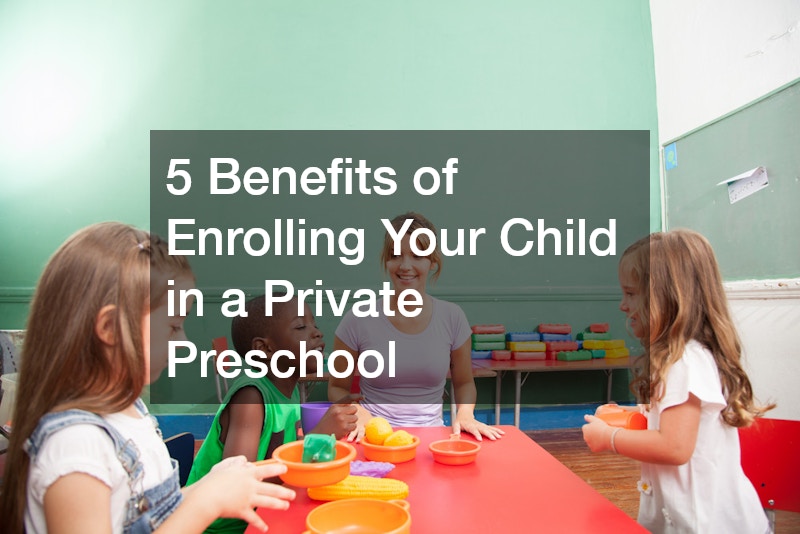
Early childhood education lays the fundamental neural, cognitive, and social bedrock upon which all future learning, personal health, and behavioral adaptability are built. According to landmark research published by the National Association for the Education of Young Children (NAEYC), approximately 90 percent of human brain development occurs before the age of five, making these formative years an unmatched window of opportunity for intellectual and emotional conditioning. Choosing to enroll a young learner in a dedicated early learning environment ensures that children are immersed in rich, language-dense settings that foster critical thinking, executive functioning, and emotional self-regulation.
When parents decide to register their child in a private preschool, they invest directly in a tailored framework designed to maximize these crucial biological developmental milestones through intentional pedagogical strategies, expert supervision, and highly curated sensory experiences.
1. How do specialized instructional frameworks in private settings accelerate fundamental cognitive growth?
Specialized instructional frameworks accelerate cognitive growth by replacing passive child care with active, inquiry-based pedagogical models that challenge children at their specific edge of ability. Rather than adhering to rigid, one-size-fits-all curricula, independent early learning academies utilize evidence-based methodologies such as Montessori, Reggio Emilia, and specialized play-based learning frameworks. These approaches treat children as active participants in their educational journeys, encouraging independent exploration alongside structured problem-solving activities. Research highlighted by the U.S. Department of Education confirms that early exposure to structured, high-quality cognitive stimulation directly correlates with higher academic achievement, superior reading comprehension, and refined mathematical reasoning in upper primary grades. Furthermore, low educator-to-student ratios enable certified teachers to closely monitor developmental pacing, allowing them to dynamically adapt lessons to either support emerging skills or accelerate learning for advanced students.
2. What core advantage do lower student-to-teacher ratios provide for a child’s personalized learning journey?
Lower student-to-teacher ratios provide the foundation for individualized instruction, deep emotional security, and precise developmental scaffolding that larger classrooms simply cannot match. In smaller classroom environments, educators have the bandwidth to observe, assess, and respond to each child’s unique learning style, temperament, and emerging talents on a daily basis.
-
Tailored Academic Scaffolding: Teachers design customized learning pathways that target specific cognitive goals, ensuring children master basic concepts at their own optimal pace without feeling rushed or left behind.
-
Enhanced Emotional Security: Stronger one-on-one bond formation with educators lowers anxiety, builds self-confidence, and encourages introverted or sensitive children to express themselves freely.
-
Immediate Feedback and Guidance: Real-time feedback during hands-on activities helps correct misunderstandings immediately, building resilient problem-solving habits and preventing early learning frustration.
-
Proactive Skill Monitoring: Educators track fine motor, speech, and social milestones continuously, allowing for immediate early intervention if minor developmental delays or special gifts emerge.
3. In what ways does early social-emotional learning prepare children for lifelong peer collaboration?
Social-emotional learning equips young children with essential interpersonal competencies such as empathy, impulse control, conflict resolution, and cooperative communication that form the foundation of future success. Within a structured early learning community, children participate daily in organized group dynamic activities where they practice turn-taking, active listening, and collective problem-solving. Extensive study data compiled by the Centers for Disease Control and Prevention (CDC) highlights that children who master self-regulation and social negotiation prior to elementary school exhibit significantly higher levels of academic resilience, reduced classroom stress, and healthier peer relationships over time. Placing your child in a top-tier private preschool surrounds them with trained professionals who coach them through emotional regulation techniques in real time, transforming typical childhood disagreements into valuable learning opportunities that build emotional intelligence.
4. Which key enrichment opportunities elevate independent preschools above standard early child care options?
Independent preschools elevate early learning by integrating comprehensive, multi-disciplinary enrichment programs directly into the daily curriculum, far exceeding standard supervision or basic daycare routines. These institutions prioritize holistic development by exposing children early to specialized subjects that stimulate diverse areas of brain function and creative expression.
-
Immersive Language Learning: Early introduction to secondary languages capitalizes on innate childhood neuroplasticity, enhancing overall linguistic cognitive flexibility and cultural appreciation.
-
Integrated STEM and Robotics: Hands-on science experiments, basic coding concepts, and structural building projects cultivate spatial awareness, logic, and scientific curiosity early on.
-
Comprehensive Arts and Music Education: Structured exposure to music theory, instruments, and visual arts refines fine motor skills, spatial-temporal reasoning, and creative confidence.
-
Physical Literacy and Wellness: Specialized movement, yoga, and gymnastics programs foster gross motor coordination, bodily awareness, and positive long-term physical health habits.
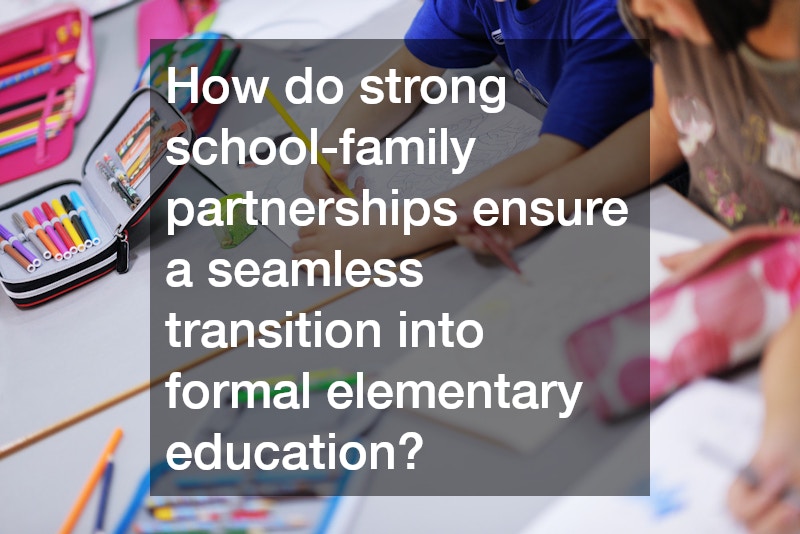
5. How do strong school-family partnerships ensure a seamless transition into formal elementary education?
Strong school-family partnerships ensure educational continuity by aligning home routines with school expectations, creating a unified support network that makes the transition to formal kindergarten smooth and confident. Premier early education centers prioritize transparent, consistent communication with parents through daily digital updates, comprehensive developmental portfolios, and regularly scheduled parent-teacher conferences. This collaborative approach ensures that parents are active co-educators in their child’s development, informed about specific classroom themes, emotional milestones, and areas needing home reinforcement. When families and educators work in tandem, children experience a reassuring sense of consistency that mitigates separation anxiety and builds enthusiasm for school. Ultimately, this foundational synergy instills a permanent love for learning, positioning young students to enter formal elementary school with elevated academic readiness, social poise, and self-confidence.
Enrolling your child in a dedicated early education academy represents one of the most impactful investments a parent can make in their child’s lifelong intellectual, emotional, and social trajectory. By providing low student-to-teacher ratios, tailored cognitive scaffolding, rich enrichment programs, and a nurturing environment for social-emotional growth, independent early learning institutions establish an unparalleled foundation for future success. As the research consistently demonstrates, the skills acquired during these formative years ripple outward across a student’s entire academic career and personal life. Selecting a high-quality educational program ensures your child enters formal schooling equipped with confidence, curiosity, and the essential tools to thrive in an ever-changing world.