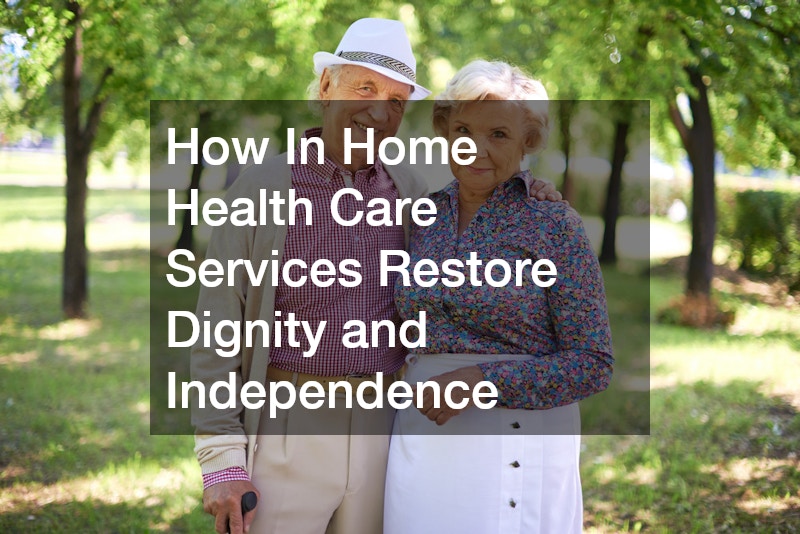
When a loved one experiences illness, injury, or the natural challenges of aging, families often face the difficult decision of finding the right type of care. For many, moving a family member to a nursing home or assisted living facility is not an ideal solution, as it can feel impersonal and restrictive. This is where in home health care services provide a meaningful alternative. By allowing individuals to remain in the comfort of their own homes, these services not only support physical health but also help preserve the dignity, independence, and emotional well-being of patients.
Offering Personalized Care in the Comfort of Home
One of the most significant advantages of in home health care services is the personalized attention they offer. Unlike institutional settings where staff must divide attention among many residents, in-home care focuses entirely on the individual. Skilled caregivers work closely with patients, tailoring care plans to their unique needs. This can include assistance with medication management, mobility support, or help with daily tasks such as bathing, dressing, and meal preparation.
This level of personalized care helps patients maintain a sense of control over their lives. When an elderly parent can choose when and how to complete daily activities, they retain autonomy and self-respect. Families often notice a marked improvement in mood and overall quality of life when their loved one receives care in a familiar, comforting environment rather than a busy healthcare facility.
Benefiting Emotionally and Socially
Beyond physical assistance, in home health care services offer crucial emotional and social support. Loneliness and isolation are common among seniors and patients with chronic illnesses, often exacerbating health issues. In-home caregivers provide companionship, creating opportunities for conversation, engagement, and mental stimulation. This one-on-one interaction helps patients feel valued and respected, which is vital for maintaining emotional health.
Moreover, caregivers can coordinate with family members to ensure that social and recreational activities continue. Simple actions, like facilitating a video call with grandchildren or accompanying the patient on a short walk, reinforce a sense of belonging and normalcy. By fostering these emotional connections, in-home health care supports a patient’s overall well-being while preserving their self-esteem and sense of dignity.
Promoting Independence and Confidence
A major concern for families is that their loved ones may feel dependent or helpless due to illness or aging. In home health care services are specifically designed to promote independence rather than replace it. Caregivers encourage patients to participate in activities they are capable of performing while offering assistance only when necessary. This approach not only maintains physical ability but also strengthens confidence and self-reliance.
For example, a caregiver might guide a patient through exercises to improve mobility rather than performing all physical tasks for them. Similarly, meal preparation might be a collaborative effort, with the patient actively involved in decision-making and cooking where possible. Such practices empower individuals to maintain routines and habits that are familiar and meaningful, reducing the emotional stress often associated with dependence on others.
In addition, in-home care allows for flexible scheduling, meaning patients can receive help when they need it and maintain control over their day. This flexibility reinforces a sense of autonomy and ensures that care is truly centered around the patient’s preferences and comfort.
Supporting Families While Honoring the Patient
Families often feel a heavy burden when caring for a loved one with medical or daily living needs. In home health care services not only ease this stress but also provide guidance and reassurance. Caregivers are trained to observe health changes, administer medications, and implement safety measures, giving family members confidence that their loved one is in capable hands.
This support allows families to focus on quality time rather than constant supervision, strengthening relationships without sacrificing care. Additionally, knowing that a professional is available to assist with both routine and emergency needs provides peace of mind, reducing stress and preventing burnout for primary caregivers.
By keeping patients in their own homes, families can honor their loved one’s preferences, preserve cherished routines, and participate in care decisions. This collaborative approach creates a supportive environment where both the patient and family members feel respected, included, and empowered.
Choosing the right care for a loved one is never easy, but in home health care services offer a solution that balances medical support with dignity, independence, and emotional well-being. By providing personalized care, fostering social and emotional connections, and promoting self-reliance, in-home care allows patients to live with confidence in the comfort of their own homes. Families benefit from professional support while remaining actively involved in care, creating a compassionate, collaborative environment that enhances everyone’s quality of life.
Ultimately, the goal of in home health care services is not just to meet basic medical needs but to honor the individuality of each patient. By helping seniors and patients maintain control over their daily lives and enjoy meaningful connections, these services restore the sense of independence and dignity that is so vital to their happiness and well-being.