
Raising a happy and healthy child is one of the most important responsibilities parents face, yet it often comes with challenges, choices, and endless decisions. From the earliest days of infancy to the teenage years, the environments and experiences children are exposed to shape their physical, emotional, and intellectual development. Ensuring your child thrives requires thoughtful planning, careful decision-making, and access to resources that support growth in every area of life. While no single approach fits every family, there are strategies and practices that can make a meaningful difference in your child’s overall well-being.
By following these ten strategies, parents can build a strong framework for their child’s growth, balancing educational, social, and emotional needs. The tips outlined here are not only practical but also adaptable to different family situations, demonstrating that fostering happiness and health in children is both achievable and rewarding. This comprehensive guide for parents will provide the tools, resources, and inspiration to help your child flourish in every stage of life, laying the groundwork for a successful and joyful future.
1. Choose the Right School
Selecting the right school is a critical step in shaping a child’s educational foundation. Schools provide not only academic instruction but also socialization opportunities and exposure to values, extracurricular activities, and leadership skills. Parents should consider factors like curriculum quality, class sizes, teacher credentials, and school culture to ensure their child thrives academically and emotionally.
Private schools offer specialized programs and resources that can cater to individual learning styles. Many provide smaller class sizes, rigorous academics, and unique programs in arts, STEM, or athletics, giving children an environment where they can excel and explore their interests. The focused attention and tailored learning experiences often allow students to reach their full potential more effectively than in larger, more generalized settings.
Beyond academics, private schools often emphasize character development, community involvement, and critical thinking. They provide structured environments where children learn responsibility, independence, and collaboration. By investing time in researching and choosing the right school, parents help their child establish a strong foundation for lifelong learning, confidence, and social skills that extend well beyond the classroom.
2. Find Quality Care

Reliable child care is essential for both child development and parental peace of mind. Young children benefit greatly from safe, nurturing, and engaging environments that stimulate cognitive, emotional, and social growth. Quality child care supports routines, introduces early learning concepts, and helps children adapt to social settings in preparation for future schooling.
Affordable child care provides these benefits without creating financial strain for families. Many programs offer flexible hours, educational activities, and trained staff who understand childhood development, ensuring children receive attention and guidance that supports their growth. Choosing the right facility can also build long-term relationships between caregivers and families, providing consistency and stability during formative years.
In addition to fostering learning and social skills, quality child care teaches important life habits such as sharing, patience, and communication. Children who experience structured yet engaging care are often better prepared for school transitions, confident in group settings, and able to regulate emotions effectively. Finding the right care solution balances affordability with comprehensive support, ensuring both children and parents thrive.
3. Plan for the Future
High school is a pivotal stage in a child’s life, marking the transition from foundational learning to preparation for higher education, vocational pursuits, or the workforce. Planning ahead ensures that students are enrolled in courses, programs, and extracurricular activities that align with their interests, strengths, and long-term goals.
Parents can help guide this planning by understanding graduation requirements, available electives, and opportunities for advanced coursework or dual enrollment programs. Supporting children in exploring their passions through clubs, sports, or volunteer work can foster personal growth while boosting college or career readiness. High school experiences shape confidence, work ethic, and resilience in ways that extend far beyond academics.
Strategically planning for high school also helps manage challenges before they arise. Early discussions about career aspirations, scholarship opportunities, and post-secondary pathways ensure that students remain on track while exploring their potential. By engaging actively in the high school planning process, parents provide guidance, motivation, and structure, setting their children up for success in future educational or career pursuits.
4. Nurture Early Learning
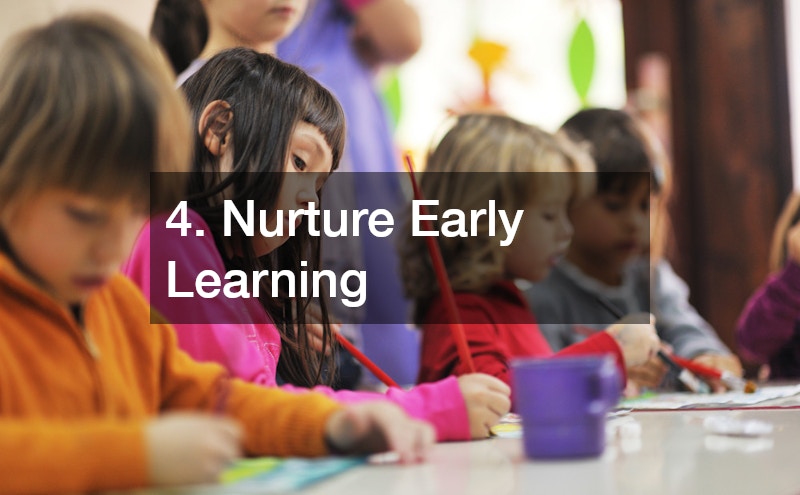
Early childhood is a period of rapid brain development, making it critical to provide engaging and educational experiences that foster curiosity, problem-solving, and communication skills. Structured environments at child care centers offer age-appropriate activities that encourage exploration and discovery, laying the groundwork for a lifetime of learning.
Child care centers often implement carefully designed curricula that combine play with structured instruction in literacy, numeracy, and social skills. Staffed by trained educators, these centers can identify learning strengths and challenges early, providing interventions and support as needed. Children also benefit from socialization with peers, which helps develop empathy, cooperation, and conflict resolution skills.
Investing in early learning creates long-term advantages, including smoother transitions into formal schooling, stronger cognitive development, and enhanced emotional resilience. Children who participate in high-quality early education programs often demonstrate greater academic readiness, better focus, and increased confidence. Supporting early learning at a child care center ensures that children develop a solid foundation for future success while fostering a love of learning that can last a lifetime.
5. Consistent Daily Care
Consistency in daily routines is vital for children’s emotional security and overall development. Regular, predictable schedules help children understand expectations, build independence, and establish healthy habits. Stable environments provide a sense of safety, allowing children to explore, learn, and engage confidently.
Daycare services offer structured programs that balance educational activities, playtime, and rest. Caregivers implement consistent routines that teach children time management, self-regulation, and social interaction skills. These programs often include meal planning, hygiene routines, and age-appropriate enrichment activities, ensuring that children’s physical and emotional needs are met throughout the day.
Beyond the daily structure, reliable daycare fosters social development and collaborative learning. Children interact with peers, develop communication skills, and navigate group dynamics in supportive settings. Parents benefit as well, knowing that their child is cared for in a safe, engaging, and stable environment. By providing consistent daily care, families establish routines that support both immediate well-being and long-term growth.
6. Support Infant Growth

The earliest months of a child’s life are foundational for cognitive, emotional, and physical development. Proper infant care provides a nurturing environment that ensures babies receive the attention, nutrition, and stimulation necessary for healthy growth. Early experiences shape brain development, laying the groundwork for learning, attachment, and overall well-being.
Infant care programs focus on safe sleeping practices, feeding schedules, and age-appropriate activities that encourage sensory exploration and motor skill development. Caregivers are trained to observe milestones, recognize potential concerns, and provide interventions when needed. Consistent routines also help infants develop trust and security, which are critical for emotional resilience and future social interactions.
Investing in quality infant care establishes a strong foundation for later childhood learning and emotional health. Parents benefit from peace of mind knowing their child is in a safe and stimulating environment, while infants gain the critical support needed to reach developmental milestones. This early stage of care ensures that children are prepared physically, socially, and cognitively for the challenges and opportunities ahead.
7. Encourage Summer Fun
Summer camp offers children unique opportunities for personal growth, socialization, and skill development outside of the classroom. These programs provide structured activities, outdoor experiences, and mentorship, allowing children to explore hobbies, build friendships, and develop confidence in a safe, engaging setting.
Camps often include a mix of recreational, educational, and creative activities tailored to various age groups. From sports and arts to science and adventure programs, children can discover new interests and refine existing skills. Experienced staff supervise campers while fostering teamwork, problem-solving, and independence, helping children navigate challenges in supportive environments.
Participation in summer camp promotes lifelong skills, including resilience, self-reliance, and leadership. Children return to school rejuvenated and socially adept, having experienced new environments and formed meaningful connections. Encouraging summer engagement ensures that children continue learning and growing even outside the traditional academic calendar, supporting balanced development and enriched childhood experiences.
8. Learn Parenting Skills

Parenting is a journey that involves continuous learning, reflection, and adaptation. Resources such as guides for parents provide education on child development, discipline strategies, health and nutrition, and effective communication. These tools help caregivers make informed decisions that positively impact children’s well-being.
Parenting guides often cover practical approaches for fostering emotional intelligence, encouraging learning, and managing behavioral challenges. They may offer strategies for creating routines, promoting independence, and building strong parent-child relationships. By applying evidence-based advice, parents can navigate complex situations confidently and consistently.
Utilizing parenting resources strengthens family dynamics and child outcomes. Parents equipped with knowledge and strategies can support healthy development, model positive behaviors, and respond effectively to challenges. Continuous learning through guides or workshops ensures that caregivers remain adaptable, informed, and proactive in fostering a nurturing environment.
9. Fund Community Projects
Engaging in community initiatives teaches children the importance of empathy, social responsibility, and collaboration. Popoff fundraisers provide a creative and interactive way for families and local groups to support charitable causes while fostering civic-mindedness in children.
Fundraising projects often involve planning, teamwork, and communication, allowing children to contribute meaningfully to causes they care about. These experiences teach financial literacy, organizational skills, and the value of collective effort. Children gain satisfaction from seeing their contributions make a tangible difference in their community, reinforcing a sense of purpose and accountability.
Participation in community fundraisers nurtures generosity, problem-solving, and leadership skills. Families working together on these initiatives strengthen bonds and model values of compassion and service. By integrating charitable projects into family routines, parents help children develop lifelong habits of giving, collaboration, and social engagement, creating well-rounded, conscientious individuals.
10. Build a Safe Home
A secure and well-constructed home provides the foundation for a child’s physical safety and emotional stability. Partnering with a professional home builder ensures that structures are safe, durable, and designed with family needs in mind. This includes proper layouts, safe materials, and attention to environmental factors such as lighting, ventilation, and accessibility.
Home builders work to meet building codes and safety standards while incorporating features that accommodate children, such as childproofing elements, play areas, and ergonomically designed spaces. Thoughtful design promotes healthy development, minimizes hazards, and creates an environment conducive to learning, play, and family interaction. Additional considerations, such as safe staircases, secure windows, and slip-resistant surfaces, further enhance daily safety for children of all ages.
Investing in a safe home fosters long-term well-being and confidence. Children thrive in spaces where they feel secure, supported, and free to explore, while parents gain peace of mind knowing their family’s environment is optimized for safety and comfort. A well-built home also supports the family’s evolving needs, allowing for modifications or expansions as children grow. Ultimately, a thoughtfully constructed home serves as the cornerstone of nurturing and sustaining healthy family life.
Raising happy and healthy children requires intentional effort, informed decision-making, and a nurturing environment. By following these ten tips, parents can support their child’s growth across multiple dimensions—physical, emotional, social, and intellectual. Choosing the right school and quality care options lays the foundation for learning and development, while planning for high school prepares children for long-term academic and personal success. Early childhood programs, such as child care centers, daycare services, and infant care, ensure that children receive the attention, stimulation, and structure necessary to thrive from a young age.
Encouraging summer activities and engaging in community projects fosters social skills, independence, and empathy. Parents who invest time in learning effective parenting strategies gain the knowledge and confidence to guide children through challenges and celebrate milestones. Meanwhile, providing a safe, well-constructed home ensures children have a secure environment to explore, play, and grow.
Integrating these strategies creates a comprehensive approach to child-rearing, balancing structure with exploration, guidance with freedom, and discipline with creativity. By taking proactive steps in education, care, enrichment, and home safety, parents can raise well-rounded children who are prepared to navigate life confidently, healthily, and happily. These practical actions offer long-lasting benefits for both children and families.