Choosing the right childcare environment is one of the most significant decisions a parent or caregiver will make. High-quality daycare services do far more than provide supervision; they lay the groundwork for early social interaction, emotional development, and cognitive growth. Because every child has unique personality traits and developmental needs, finding a facility that aligns with your family’s standards requires careful evaluation.
Knowing what to prioritize can make the selection process significantly easier and ensure your child thrives in a safe, nurturing environment.
Safety Standards and Licensing Compliance
Safety is non-negotiable when evaluating any early childhood facility. High-quality daycare services strictly adhere to local and state licensing regulations, which govern everything from staff-to-child ratios to facility sanitation.
Valid Accreditation and State Licensing
A reputable facility should prominently display its current state license and relevant accreditations. Licensing ensures the center complies with baseline health, safety, and operational standards. National accreditations—such as those from the National Association for the Education of Young Children (NAEYC)—indicate that a program exceeds minimum regulatory requirements.
Secure Access Controls
Observe how entry and exit points are managed. Trustworthy providers use keycard entries, biometric scanners, or strict check-in desks to control access. Visitors should always be required to present identification, and child pick-up lists must be rigidly enforced.
Emergency Preparedness Protocols
Ask the director about their procedures for medical emergencies, power outages, and natural disasters. Staff members should undergo regular safety drills, and emergency exit routes must be clearly marked and unobstructed throughout the facility.
CPR and First-Aid Certification
Every caregiver on-site should hold active certifications in pediatric CPR and basic first aid. Inquire about how quickly staff are required to renew these credentials and whether medical kits are readily accessible in every classroom.
Sanitation and Hygiene Practices
Cleanliness directly impacts your child’s health. Look for established policies on handwashing—especially before meals and after diaper changes—alongside scheduled daily disinfection of toys, mats, and shared surfaces.
Staff Qualifications and Caregiver Dynamics
The quality of daycare services relies heavily on the educators and caregivers who interact with your child daily. A warm, qualified staff fosters trust and supports early development.
Educator Education and Experience
Inquire about the qualifications of the teaching staff. Leads should ideally hold degrees in Early Childhood Education (ECE), Child Development Associate (CDA) credentials, or equivalent field experience.
Low Staff-to-Child Ratios
Fewer children per caregiver means your child receives individual attention and adequate supervision. Check that the facility complies with recommended ratios, which typically range from 1:3 or 1:4 for infants to 1:8 or 1:10 for preschoolers.
Warm and Responsive Interactions
Observe how teachers speak to the children. Are they down on the child’s eye level, engaging in calm, encouraging conversation? Positive caregiver interactions build emotional security and encourage social confidence.
Low Employee Turnover
High staff turnover can disrupt a child’s sense of consistency and routine. Ask how long current teachers have been with the center; long-term staff retention is a strong indicator of a supportive working environment and stable management.
Continuous Professional Development
Top-tier facilities invest in their educators. Ask if staff members participate in ongoing training topics like positive discipline, early literacy techniques, and developmental milestone tracking.
Early Learning Curriculum and Play-Based Activities
A thoughtful educational framework balances structured learning with child-led play, ensuring developmental milestones are met naturally.
Age-Appropriate Learning Objectives
A well-structured curriculum adapts to different developmental stages. Programs for toddlers should emphasize sensory exploration and basic language acquisition, while preschool rooms focus on pre-literacy, basic math concepts, and problem-solving skills.
Play-Based Educational Approach
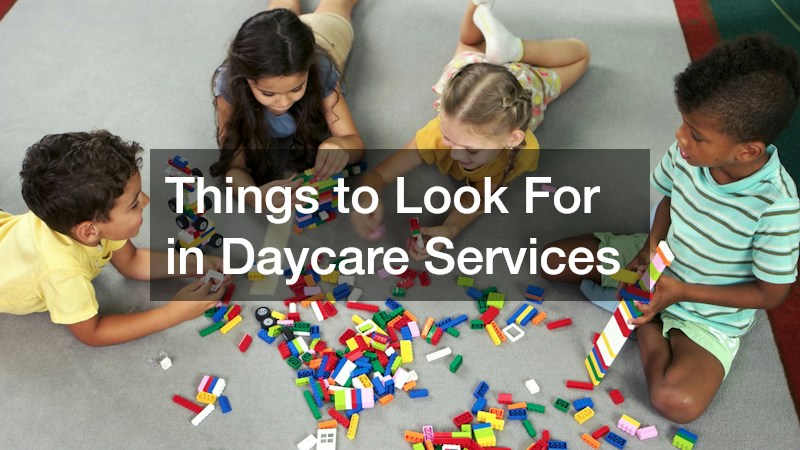
Young children learn best through active play. Look for programs that incorporate hands-on activities, dramatic play corners, building blocks, and art stations into their daily routines rather than relying solely on worksheets or screen time.
Outdoor Play and Physical Movement
Physical activity is vital for motor skill development and overall health. Ensure the center provides dedicated daily outdoor playtime in a well-maintained, age-segregated playground equipped with safe equipment.
Social-Emotional Skill Building
Early childhood education should place strong emphasis on emotional regulation, sharing, empathy, and conflict resolution. A good program guides children through managing their emotions and collaborating with peers.
Limited Screen Time
Excessive digital media exposure can hinder language development and social skills. Quality daycare services limit screen use strictly to exceptional, educational moments, focusing primarily on interactive, physical, and sensory activities.
Communication, Culture, and Operations
Clear communication between parents and providers forms a vital partnership that supports your child’s overall well-being.
Transparent Daily Reporting
Parents should receive regular updates regarding their child’s day. Top providers use mobile apps or daily report cards to detail meal intake, nap durations, diaper changes/potty trips, and key learning milestones achieved.
Open-Door Policy for Parents
A reliable center welcomes parental involvement and allows unannounced visits. You should feel comfortable dropping in to observe classroom activities or check on your child at any point during operating hours.
Clear Administrative Policies
Review the facility handbook thoroughly. Pay close attention to policies regarding tuition fees, holiday closures, late pick-up penalties, sick-child exclusion rules, and vacation credits to avoid future misunderstandings.
Nutritious Meal and Snack Offerings
If the center provides food, review their weekly menu. Meals should be balanced and nutritious, accommodating specific dietary restrictions or food allergies with strict cross-contamination protocols.
Inclusive and Welcoming Environment
The culture of the center should reflect diversity, kindness, and respect. Ensure the staff honors different family structures, cultural backgrounds, and individual learning needs so every child feels valued.
Selecting the ideal caregiver facility involves weighing safety standards, educational philosophy, and staff quality against your family’s daily logistical needs. By taking the time to tour facilities, ask detailed questions, and observe classroom interactions, you can confidently choose daycare services that offer a safe, enriching environment for your child’s growth.