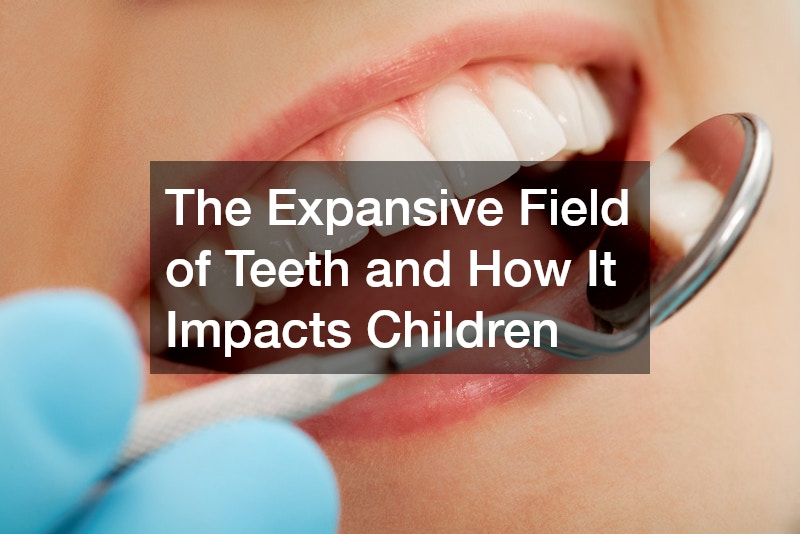
The structural development of a child’s mouth plays a central role in their overall physical health, communication abilities, nutritional intake, and evolving self-confidence. Oral health extends far beyond a surface-level smile, encompassing the complex interaction of teeth, jaw bones, facial muscles, and soft tissues that support lifelong wellness. As children grow from infants into teenagers, their oral landscape undergoes massive physiological transformations. Understanding these critical developmental milestones empowers parents and caregivers to make informed decisions that safeguard their children’s well-being for a lifetime.
-
The mouth serves as the primary gateway for essential nourishment, speech formation, and facial structural integrity throughout early human development.
-
Early physiological changes in primary dentition lay the roadmap for permanent jaw alignment and facial aesthetic development.
-
Comprehensive oral care routines during childhood drastically lower the long-term risk of systemic systemic health complications.
Early Pediatric Development and Early Interventions
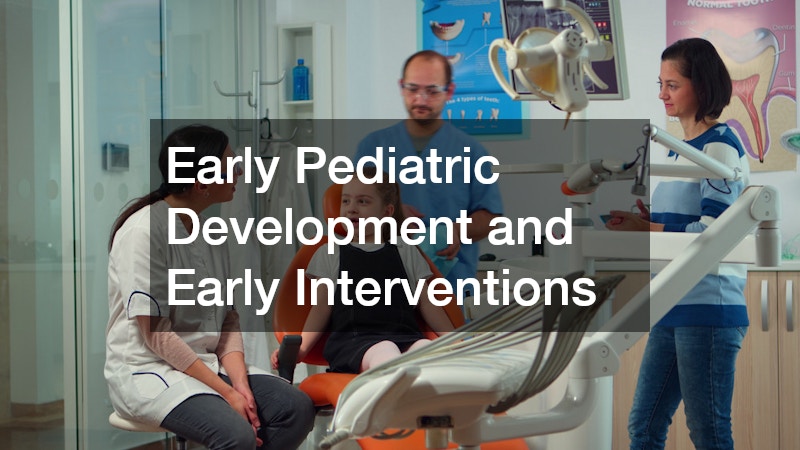
Children undergo rapid physiological changes during their first decade, and the mouth is often one of the most active areas of biological growth. The arrival of primary teeth establishes the necessary foundation for future adult dentition, natural swallowing patterns, and clear speech development.
-
Infant oral tissues require gentle wiping even before the first primary tooth visible erupts through the gumline.
-
The eruption of primary incisors and molars helps build the structural framework for proper facial muscle strength.
-
Primary teeth maintain the exact spacing needed for permanent adult teeth to eventually erupt in aligned positions.
Protecting Primary Teeth with Preventive Strategies
Primary teeth serve as crucial space maintainers for permanent teeth while enabling proper chewing mechanics and early speech formation. Early decay can lead to premature tooth loss, which often causes neighboring teeth to drift into empty spaces, effectively blocking incoming adult teeth and causing severe alignment issues later on. Parents should prioritize routine professional cleanings, checkups, and topical fluoride treatments to strengthen delicate primary enamel. A trained preventive dentist auburn me can assess subtle developmental shifts, evaluate bite alignment, and provide customized guidance on childhood nutrition, oral hygiene habits, and protective sealant treatments to prevent childhood cavities long before they begin.
-
Daily brushing with a tiny smear of fluoride toothpaste protects young enamel from harmful bacterial acids.
-
Dental sealants apply a thin protective barrier over the deep grooves of primary molars to prevent food buildup.
-
Regular semi-annual checkups allow clinicians to catch micro-cavities before they turn into painful tooth infections.
-
Dietary management that limits sugary snacks and sticky juices protects the vulnerable enamel of growing children.
Managing Early Traumatic Incidents and Crises
Children are naturally adventurous, highly active, and prone to unpredictable falls, making them particularly susceptible to sudden mouth injuries, chipped enamel, or knocked-out teeth during daily play. Severe, unbearable toothaches caused by deep bacterial infection or unexpected physical trauma require immediate clinical attention to alleviate pain and save the underlying tooth structure. Having immediate access to a trusted emergency dentist in east tucson ensures that urgent issues like dental abscesses, broken roots, or severe enamel fractures are addressed without delay, preventing long-term damage to developing jawbones and soft permanent tooth buds beneath the surface.
-
Cold compresses applied to the cheek help minimize facial swelling and blunt pain after physical mouth trauma.
-
Preserving a knocked-out permanent tooth in a glass of milk can keep the root cells viable for re-implantation.
-
Rinsing gently with warm salt water cleanses irritated oral tissues and removes dislodged debris during acute distress.
-
Prompt emergency evaluation prevents localized bacterial infections from spreading into deeper soft tissue spaces.
Structural Growth and Specialized Treatments
As a child transitions from early childhood into their school-age years, the jaw expands significantly to accommodate larger permanent teeth. This complex transition period frequently introduces structural challenges that require targeted, specialized clinical solutions.
-
Mixed dentition phases require careful monitoring as primary teeth shed and adult teeth begin to emerge.
-
Developing jawbones respond remarkably well to early structural intervention due to high bone adaptability.
-
Proper chewing function ensures optimal nutrient absorption necessary for systemic body growth during childhood.
Restoring Damaged Enamel with Custom Restorations
Severe tooth decay or structural weakness in primary molars cannot always be solved with simple traditional fillings. When a primary tooth is severely decayed or structurally compromised, placing a comprehensive protective cover over the remaining natural tooth structure is necessary to preserve its functional capacity until it naturally sheds. Utilizing a custom, highly durable dental crown allows children to chew comfortably, speak properly, and maintain crucial arch spacing without experiencing premature extractions.
-
Restorative covers protect compromised primary teeth from further bacterial decay and structural collapse.
-
Full coverage restores natural biting surfaces, allowing children to consume a balanced, nutritious diet.
-
Custom-fitted restorations prevent the early loss of primary molars that keep adult spacing open.
-
Advanced restorative materials match natural tooth shades to preserve a child’s natural smile aesthetic.
Resolving Irreparable Severe Tooth Damage
While preserving natural primary and permanent teeth is always the primary goal of modern conservative care, certain complex situations involve non-restorable decay, persistent deep infection, or severe structural crowding that threatens overall oral health. In urgent circumstances where a damaged or infected tooth threatens the health of adjacent teeth or jawbone, a clinician may need to perform an emergency tooth extraction to eliminate severe pain, remove necrotic tissue, and arrest the rapid spread of infection.
-
Extracting irreparable teeth prevents harmful oral bacteria from entering the pediatric bloodstream.
-
Space maintainers are often placed immediately following an extraction to preserve open arch length.
-
Localized numbing and gentle pediatric sedation techniques ensure comfortable, stress-free procedures.
-
Post-extraction care instructions focus on rapid tissue healing and minimizing postoperative discomfort.
Orthodontic Alignment and Airway Dynamics
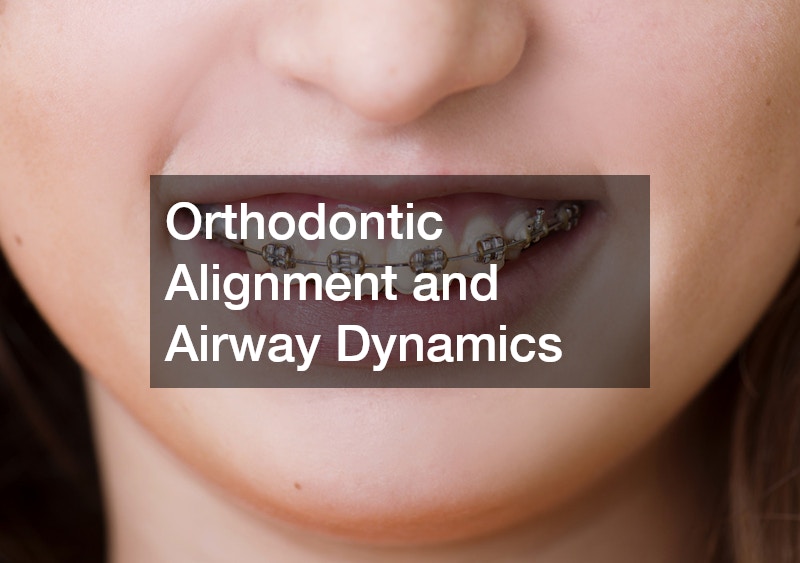
Proper alignment of the teeth and jaws is vital not only for facial aesthetics but also for essential physiological functions such as chewing, nasal breathing, and speaking clearly. Modern orthodontic solutions offer discreet, efficient ways to guide structural growth.
-
Aligned arches promote proper tongue posture, which directly supports optimal airway opening during sleep.
-
Straighter teeth eliminate tight overlapping spaces where food particles and plaque accumulate easily.
-
Balanced jaw alignment reduces uneven wear and strain on the temporomandibular joint over time.
Straightening Teeth Discreetly in Adolescence
Teenagers and older children often feel self-conscious about traditional metal braces, brackets, and wires when correcting crowded or crooked teeth. Removable clear aligner systems offer a subtle, comfortable alternative that allows young patients to maintain their alignment trajectory without awkward social anxiety or major lifestyle disruptions. Choosing invisalign in thousand oaks ca provides adolescent patients with a virtually invisible method to correct complex alignment problems while simplifying daily brushing and flossing routines.
-
Clear aligner trays are easily removed during meals, allowing teens to enjoy their favorite foods without restriction.
-
Smooth plastic alignment trays eliminate the painful wire pokes and soft tissue abrasions common with metal braces.
-
Daily oral hygiene is significantly easier because patients can brush and floss naturally without navigating brackets.
-
Computerized digital planning allows parents and teens to preview the visual progression of their smile transformation.
Optimizing Jaw Development and Facial Symmetry
Early orthodontic evaluation around age seven allows experienced practitioners to detect subtle structural imbalances in the jaw bones while growth plates are active. Palatal expanders, space maintainers, and specialized functional appliances can guide bone growth while the jaw tissue is still malleable, preventing severe crowding or crossbites later in life. Addressing structural issues early helps ensure optimal facial symmetry, proper upper airway development, and a reduced need for invasive surgical corrections during adulthood.
-
Phase-one orthodontic guidance creates adequate space for large permanent teeth before they erupt.
-
Palatal expansion broadens the roof of the mouth, expanding nasal passages to promote healthy nasal breathing.
-
Correcting underbites and overbites early prevents abnormal tooth wear and uneven jaw growth.
-
Guided jaw expansion frequently reduces the total treatment time required for teenage orthodontic care.
The Role of Specialized Clinical Care
Children require a tailored approach to oral care that combines advanced technical expertise with a gentle, patient-centered methodology designed to eliminate fear.
-
Positive clinical experiences during early childhood build a lifetime of healthy health-seeking behaviors.
-
Child-sized clinical equipment and specialized instruments make diagnostic exams more comfortable for small mouths.
-
Behavioral guidance techniques help children feel in control and relaxed during their clinical appointments.
Fostering Positive Dental Visits for Young Children
The unique anatomical and psychological needs of growing children require practitioners who specialize in youthful cognitive development and anxiety management. Choosing a practice centered specifically on pediatric dentistry helps establish a welcoming, child-friendly environment where young patients feel safe, heard, and completely relaxed during their clinical appointments.
-
Pediatric offices feature engaging environments, bright decor, and child-themed treatment spaces to ease tension.
-
Friendly dental teams use “tell-show-do” communication methods to explain procedures using non-threatening terms.
-
Gentle preventive visits foster trust between young patients and their healthcare providers.
-
Desensitization strategies help children with sensory sensitivities enjoy smooth, successful clinical care.
Establishing Long-Term Health with Family Practices
Continuity of comprehensive care is vital as children mature into adolescents and young adults. Partnering with dedicated family dentists ensures that a child’s complete developmental history, medical nuances, and behavioral preferences are fully understood and tracked under one roof, fostering long-term relationships built on mutual trust and consistent monitoring.
-
Continuous care models allow clinical teams to observe subtle long-term trends in facial growth and oral health.
-
Families benefit from scheduling multi-generational appointments together for convenience and efficiency.
-
Seamless transition protocols ensure teenagers shift smoothly into comprehensive adult dental care models.
-
Comprehensive electronic health records maintain a complete history of restorative and preventive interventions.
Late Adolescent Milestones and Aesthetic Considerations
As children enter late adolescence, their oral structures reach near-complete maturity, presenting a new set of clinical considerations ranging from third molar eruption to subtle cosmetic enhancements.
-
Late teenage growth spurts finalize jaw dimensions and establish permanent bite relationships.
-
Adolescent dietary changes and academic stress can introduce new challenges like grinding or acid erosion.
-
Developing independence requires teens to take personal ownership of their daily oral hygiene habits.
Managing Third Molar Eruption and Crowding
Late adolescence typically marks the arrival of the final third set of molars, commonly known as wisdom teeth. These late-emerging molars frequently lack adequate physical space within the dental arch to erupt properly, leading to impaction, severe discomfort, crowding, or localized gum infection. Regular radiographic monitoring during late teenage years enables dental teams to identify potential impactions early and proactively manage or remove problematic wisdom teeth before they damage surrounding healthy teeth or alter prior orthodontic alignment.
-
Panoramic X-rays reveal the precise angle, depth, and root development of emerging third molars.
-
Early removal of impacted third molars prevents painful pericoronitis infections around partially erupted gums.
-
Proactive management protects neighboring second molars from root resorption and localized decay.
-
Surgical recovery during late adolescence is generally faster due to lower bone density and root formation.
Enhancing Confidence Through Aesthetic Treatments
Aesthetic appearance plays a significant role in a teenager’s evolving self-esteem, social interactions, and personal confidence. Minor chips, severe discoloration, or inherent structural defects can make a young person hesitant to smile freely in social settings. Consulting a trained cosmetic dentist allows teenagers to explore conservative, age-appropriate aesthetic solutions such as gentle professional teeth whitening, direct composite bonding, or tooth-colored restorations to repair minor flaws and boost personal confidence.
-
Conservative composite bonding repairs small chips or gaps without removing healthy natural enamel.
-
Professional whitening treatments safely lift deep stubborn stains caused by sports drinks or dark beverages.
-
Aesthetic enhancements are carefully planned to respect the ongoing maturation of adolescent gumlines.
-
Restoring smile symmetry empowers young adults as they enter college, interviews, and early career steps.
Securing Community Care for Ongoing Maintenance
Consistent, lifetime preventive care requires easy, convenient access to trusted clinical professionals within a family’s immediate geographic area. Establishing a permanent clinical home with skilled local dentists allows families to maintain routine six-month checkups, receive tailored home-care advice, and address emerging oral concerns promptly before they escalate into costly or complex health issues.
-
Local dental homes simplify scheduling routine cleaning appointments amidst busy school and extracurricular routines.
-
Nearby clinical practices offer quick turnarounds for routine maintenance, adjustments, and nightguards.
-
Familiar dental teams provide personalized care plans tailored to individual lifestyle needs and budgets.
-
Community-based practices foster warm, supportive environments that encourage consistent lifetime care.
Prioritizing a child’s oral health from an early age sets the structural and behavioral foundation for a lifetime of vibrant physical health, proper speech development, and unshakeable self-confidence. By understanding the distinct physical stages of dental growth, staying proactive with routine preventive care, and partnering with experienced clinical professionals, parents can ensure their children navigate every developmental milestone with a healthy, beautiful smile.
The structural development of a child’s mouth plays a central role in their overall physical health, communication abilities, nutritional intake, and evolving self-confidence. Oral health extends far beyond a surface-level smile, encompassing the complex interaction of teeth, jaw bones, facial muscles, and soft tissues that support lifelong wellness. As children grow from infants into teenagers, their oral landscape undergoes massive physiological transformations. Understanding these critical developmental milestones empowers parents and caregivers to make informed decisions that safeguard their children’s well-being for a lifetime.
-
The mouth serves as the primary gateway for essential nourishment, speech formation, and facial structural integrity throughout early human development.
-
Early physiological changes in primary dentition lay the roadmap for permanent jaw alignment and facial aesthetic development.
-
Comprehensive oral care routines during childhood drastically lower the long-term risk of systemic systemic health complications.
Early Pediatric Development and Early Interventions
Children undergo rapid physiological changes during their first decade, and the mouth is often one of the most active areas of biological growth. The arrival of primary teeth establishes the necessary foundation for future adult dentition, natural swallowing patterns, and clear speech development.
-
Infant oral tissues require gentle wiping even before the first primary tooth visible erupts through the gumline.
-
The eruption of primary incisors and molars helps build the structural framework for proper facial muscle strength.
-
Primary teeth maintain the exact spacing needed for permanent adult teeth to eventually erupt in aligned positions.
Protecting Primary Teeth with Preventive Strategies
Primary teeth serve as crucial space maintainers for permanent teeth while enabling proper chewing mechanics and early speech formation. Early decay can lead to premature tooth loss, which often causes neighboring teeth to drift into empty spaces, effectively blocking incoming adult teeth and causing severe alignment issues later on. Parents should prioritize routine professional cleanings, checkups, and topical fluoride treatments to strengthen delicate primary enamel. A trained preventive dentist auburn me can assess subtle developmental shifts, evaluate bite alignment, and provide customized guidance on childhood nutrition, oral hygiene habits, and protective sealant treatments to prevent childhood cavities long before they begin.
-
Daily brushing with a tiny smear of fluoride toothpaste protects young enamel from harmful bacterial acids.
-
Dental sealants apply a thin protective barrier over the deep grooves of primary molars to prevent food buildup.
-
Regular semi-annual checkups allow clinicians to catch micro-cavities before they turn into painful tooth infections.
-
Dietary management that limits sugary snacks and sticky juices protects the vulnerable enamel of growing children.
Managing Early Traumatic Incidents and Crises
Children are naturally adventurous, highly active, and prone to unpredictable falls, making them particularly susceptible to sudden mouth injuries, chipped enamel, or knocked-out teeth during daily play. Severe, unbearable toothaches caused by deep bacterial infection or unexpected physical trauma require immediate clinical attention to alleviate pain and save the underlying tooth structure. Having immediate access to a trusted emergency dentist in East Tucson ensures that urgent issues like dental abscesses, broken roots, or severe enamel fractures are addressed without delay, preventing long-term damage to developing jawbones and soft permanent tooth buds beneath the surface.
-
Cold compresses applied to the cheek help minimize facial swelling and blunt pain after physical mouth trauma.
-
Preserving a knocked-out permanent tooth in a glass of milk can keep the root cells viable for re-implantation.
-
Rinsing gently with warm salt water cleanses irritated oral tissues and removes dislodged debris during acute distress.
-
Prompt emergency evaluation prevents localized bacterial infections from spreading into deeper soft tissue spaces.
Structural Growth and Specialized Treatments

As a child transitions from early childhood into their school-age years, the jaw expands significantly to accommodate larger permanent teeth. This complex transition period frequently introduces structural challenges that require targeted, specialized clinical solutions.
-
Mixed dentition phases require careful monitoring as primary teeth shed and adult teeth begin to emerge.
-
Developing jawbones respond remarkably well to early structural intervention due to high bone adaptability.
-
Proper chewing function ensures optimal nutrient absorption necessary for systemic body growth during childhood.
Restoring Damaged Enamel with Custom Restorations
Severe tooth decay or structural weakness in primary molars cannot always be solved with simple traditional fillings. When a primary tooth is severely decayed or structurally compromised, placing a comprehensive protective cover over the remaining natural tooth structure is necessary to preserve its functional capacity until it naturally sheds. Utilizing a custom, highly durable dental crown allows children to chew comfortably, speak properly, and maintain crucial arch spacing without experiencing premature extractions.
-
Restorative covers protect compromised primary teeth from further bacterial decay and structural collapse.
-
Full coverage restores natural biting surfaces, allowing children to consume a balanced, nutritious diet.
-
Custom-fitted restorations prevent the early loss of primary molars that keep adult spacing open.
-
Advanced restorative materials match natural tooth shades to preserve a child’s natural smile aesthetic.
Resolving Irreparable Severe Tooth Damage
While preserving natural primary and permanent teeth is always the primary goal of modern conservative care, certain complex situations involve non-restorable decay, persistent deep infection, or severe structural crowding that threatens overall oral health. In urgent circumstances where a damaged or infected tooth threatens the health of adjacent teeth or jawbone, a clinician may need to perform an emergency tooth extraction to eliminate severe pain, remove necrotic tissue, and arrest the rapid spread of infection.
-
Extracting irreparable teeth prevents harmful oral bacteria from entering the pediatric bloodstream.
-
Space maintainers are often placed immediately following an extraction to preserve open arch length.
-
Localized numbing and gentle pediatric sedation techniques ensure comfortable, stress-free procedures.
-
Post-extraction care instructions focus on rapid tissue healing and minimizing postoperative discomfort.
Orthodontic Alignment and Airway Dynamics
Proper alignment of the teeth and jaws is vital not only for facial aesthetics but also for essential physiological functions such as chewing, nasal breathing, and speaking clearly. Modern orthodontic solutions offer discreet, efficient ways to guide structural growth.
-
Aligned arches promote proper tongue posture, which directly supports optimal airway opening during sleep.
-
Straighter teeth eliminate tight overlapping spaces where food particles and plaque accumulate easily.
-
Balanced jaw alignment reduces uneven wear and strain on the temporomandibular joint over time.
Straightening Teeth Discreetly in Adolescence
Teenagers and older children often feel self-conscious about traditional metal braces, brackets, and wires when correcting crowded or crooked teeth. Removable clear aligner systems offer a subtle, comfortable alternative that allows young patients to maintain their alignment trajectory without awkward social anxiety or major lifestyle disruptions. Choosing Invisalign in thousand oaks ca provides adolescent patients with a virtually invisible method to correct complex alignment problems while simplifying daily brushing and flossing routines.
-
Clear aligner trays are easily removed during meals, allowing teens to enjoy their favorite foods without restriction.
-
Smooth plastic alignment trays eliminate the painful wire pokes and soft tissue abrasions common with metal braces.
-
Daily oral hygiene is significantly easier because patients can brush and floss naturally without navigating brackets.
-
Computerized digital planning allows parents and teens to preview the visual progression of their smile transformation.
Optimizing Jaw Development and Facial Symmetry
Early orthodontic evaluation around age seven allows experienced practitioners to detect subtle structural imbalances in the jaw bones while growth plates are active. Palatal expanders, space maintainers, and specialized functional appliances can guide bone growth while the jaw tissue is still malleable, preventing severe crowding or crossbites later in life. Addressing structural issues early helps ensure optimal facial symmetry, proper upper airway development, and a reduced need for invasive surgical corrections during adulthood.
-
Phase-one orthodontic guidance creates adequate space for large permanent teeth before they erupt.
-
Palatal expansion broadens the roof of the mouth, expanding nasal passages to promote healthy nasal breathing.
-
Correcting underbites and overbites early prevents abnormal tooth wear and uneven jaw growth.
-
Guided jaw expansion frequently reduces the total treatment time required for teenage orthodontic care.
The Role of Specialized Clinical Care

Children require a tailored approach to oral care that combines advanced technical expertise with a gentle, patient-centered methodology designed to eliminate fear.
-
Positive clinical experiences during early childhood build a lifetime of healthy health-seeking behaviors.
-
Child-sized clinical equipment and specialized instruments make diagnostic exams more comfortable for small mouths.
-
Behavioral guidance techniques help children feel in control and relaxed during their clinical appointments.
Fostering Positive Dental Visits for Young Children
The unique anatomical and psychological needs of growing children require practitioners who specialize in youthful cognitive development and anxiety management. Choosing a practice centered specifically on pediatric dentistry helps establish a welcoming, child-friendly environment where young patients feel safe, heard, and completely relaxed during their clinical appointments.
-
Pediatric offices feature engaging environments, bright decor, and child-themed treatment spaces to ease tension.
-
Friendly dental teams use “tell-show-do” communication methods to explain procedures using non-threatening terms.
-
Gentle preventive visits foster trust between young patients and their healthcare providers.
-
Desensitization strategies help children with sensory sensitivities enjoy smooth, successful clinical care.
Establishing Long-Term Health with Family Practices
Continuity of comprehensive care is vital as children mature into adolescents and young adults. Partnering with dedicated family dentists ensures that a child’s complete developmental history, medical nuances, and behavioral preferences are fully understood and tracked under one roof, fostering long-term relationships built on mutual trust and consistent monitoring.
-
Continuous care models allow clinical teams to observe subtle long-term trends in facial growth and oral health.
-
Families benefit from scheduling multi-generational appointments together for convenience and efficiency.
-
Seamless transition protocols ensure teenagers shift smoothly into comprehensive adult dental care models.
-
Comprehensive electronic health records maintain a complete history of restorative and preventive interventions.
Late Adolescent Milestones and Aesthetic Considerations
As children enter late adolescence, their oral structures reach near-complete maturity, presenting a new set of clinical considerations ranging from third molar eruption to subtle cosmetic enhancements.
-
Late teenage growth spurts finalize jaw dimensions and establish permanent bite relationships.
-
Adolescent dietary changes and academic stress can introduce new challenges like grinding or acid erosion.
-
Developing independence requires teens to take personal ownership of their daily oral hygiene habits.
Managing Third Molar Eruption and Crowding
Late adolescence typically marks the arrival of the final third set of molars, commonly known as wisdom teeth. These late-emerging molars frequently lack adequate physical space within the dental arch to erupt properly, leading to impaction, severe discomfort, crowding, or localized gum infection. Regular radiographic monitoring during late teenage years enables dental teams to identify potential impactions early and proactively manage or remove problematic wisdom teeth before they damage surrounding healthy teeth or alter prior orthodontic alignment.
-
Panoramic X-rays reveal the precise angle, depth, and root development of emerging third molars.
-
Early removal of impacted third molars prevents painful pericoronitis infections around partially erupted gums.
-
Proactive management protects neighboring second molars from root resorption and localized decay.
-
Surgical recovery during late adolescence is generally faster due to lower bone density and root formation.
Enhancing Confidence Through Aesthetic Treatments
Aesthetic appearance plays a significant role in a teenager’s evolving self-esteem, social interactions, and personal confidence. Minor chips, severe discoloration, or inherent structural defects can make a young person hesitant to smile freely in social settings. Consulting a trained cosmetic dentist allows teenagers to explore conservative, age-appropriate aesthetic solutions such as gentle professional teeth whitening, direct composite bonding, or tooth-colored restorations to repair minor flaws and boost personal confidence.
-
Conservative composite bonding repairs small chips or gaps without removing healthy natural enamel.
-
Professional whitening treatments safely lift deep stubborn stains caused by sports drinks or dark beverages.
-
Aesthetic enhancements are carefully planned to respect the ongoing maturation of adolescent gumlines.
-
Restoring smile symmetry empowers young adults as they enter college, interviews, and early career steps.
Securing Community Care for Ongoing Maintenance
Consistent, lifetime preventive care requires easy, convenient access to trusted clinical professionals within a family’s immediate geographic area. Establishing a permanent clinical home with skilled local dentists allows families to maintain routine six-month checkups, receive tailored home-care advice, and address emerging oral concerns promptly before they escalate into costly or complex health issues.
-
Local dental homes simplify scheduling routine cleaning appointments amidst busy school and extracurricular routines.
-
Nearby clinical practices offer quick turnarounds for routine maintenance, adjustments, and nightguards.
-
Familiar dental teams provide personalized care plans tailored to individual lifestyle needs and budgets.
-
Community-based practices foster warm, supportive environments that encourage consistent lifetime care.
Prioritizing a child’s oral health from an early age sets the structural and behavioral foundation for a lifetime of vibrant physical health, proper speech development, and unshakeable self-confidence. By understanding the distinct physical stages of dental growth, staying proactive with routine preventive care, and partnering with experienced clinical professionals, parents can ensure their children navigate every developmental milestone with a healthy, beautiful smile.